Find Properties with ADU Potential
The challenge is knowing which properties are worth pursuing. Not every lot can support an ADU, and even among those that can, some will cost significantly more to develop than others. Zoning, setbacks, slope, utility access, and local regulations all affect what you can build and how much it will cost.
We help investors evaluate properties before they buy. If you already own a property, we can assess its ADU potential and show you exactly what's buildable. Either way, you'll have clear numbers to work with before committing to anything.
Why Are Accessory Dwelling Units a Good Investment?
Strong Rental Returns
Bay Area ADU rents typically range from $2,500 to $4,000 per month depending on size, location, and finishes. A well-positioned one-bedroom unit can generate $30,000 to $45,000 in annual rental income. Compare that to your build cost and financing terms, and you'll often find cash-on-cash returns between 15% and 30% in the first few years.
Built-In Equity
When you add an ADU to a property, you're adding rentable square footage. Appraisers account for this when valuing your home. In many cases, the increase in property value exceeds the cost of construction, meaning you build equity the moment the project is complete.
Depreciation and Tax Advantages
The ADU itself can be depreciated separately from your primary residence, reducing your taxable rental income. Depending on your tax situation, you may also be able to accelerate depreciation or deduct construction loan interest. Talk to a CPA for specifics, but the tax benefits are real.
Flexibility on Exit
Unlike larger developments, ADUs don't box you into a single outcome. You can hold and rent, sell the property at a premium, move into the ADU yourself, or convert it to short-term rental where regulations allow. Multiple exit paths mean lower risk.
What makes a good ADU property?
Zoning and Setbacks
These determine whether you can build and where the unit can go. Most single-family lots in the Bay Area qualify for at least one ADU, but setback requirements dictate how much of your yard is actually buildable. We check this first.
Lot Size and Shape
Larger lots give you more options. Irregular shapes or narrow lots can limit where you place the unit and may require custom designs that cost more than standard plans.
Slope and Access
Flat lots with easy vehicle access are the cheapest to build on. Slopes require retaining walls, engineered foundations, and sometimes crane delivery of materials. Limited access means more labor and longer timelines. These factors can add $20,000 to $50,000 or more to your project.
Existing Utilities
If your electrical panel, sewer line, and water service can handle an additional unit, you'll save money. If upgrades are needed, those costs add up. We evaluate utility capacity early so you're not surprised later.
The Bottom Line
A property that looks like a great deal might have hidden costs that kill your returns. We run feasibility studies before you commit so you know exactly what you're working with.

Did You Know You Can Build More Units in the Bay Area?
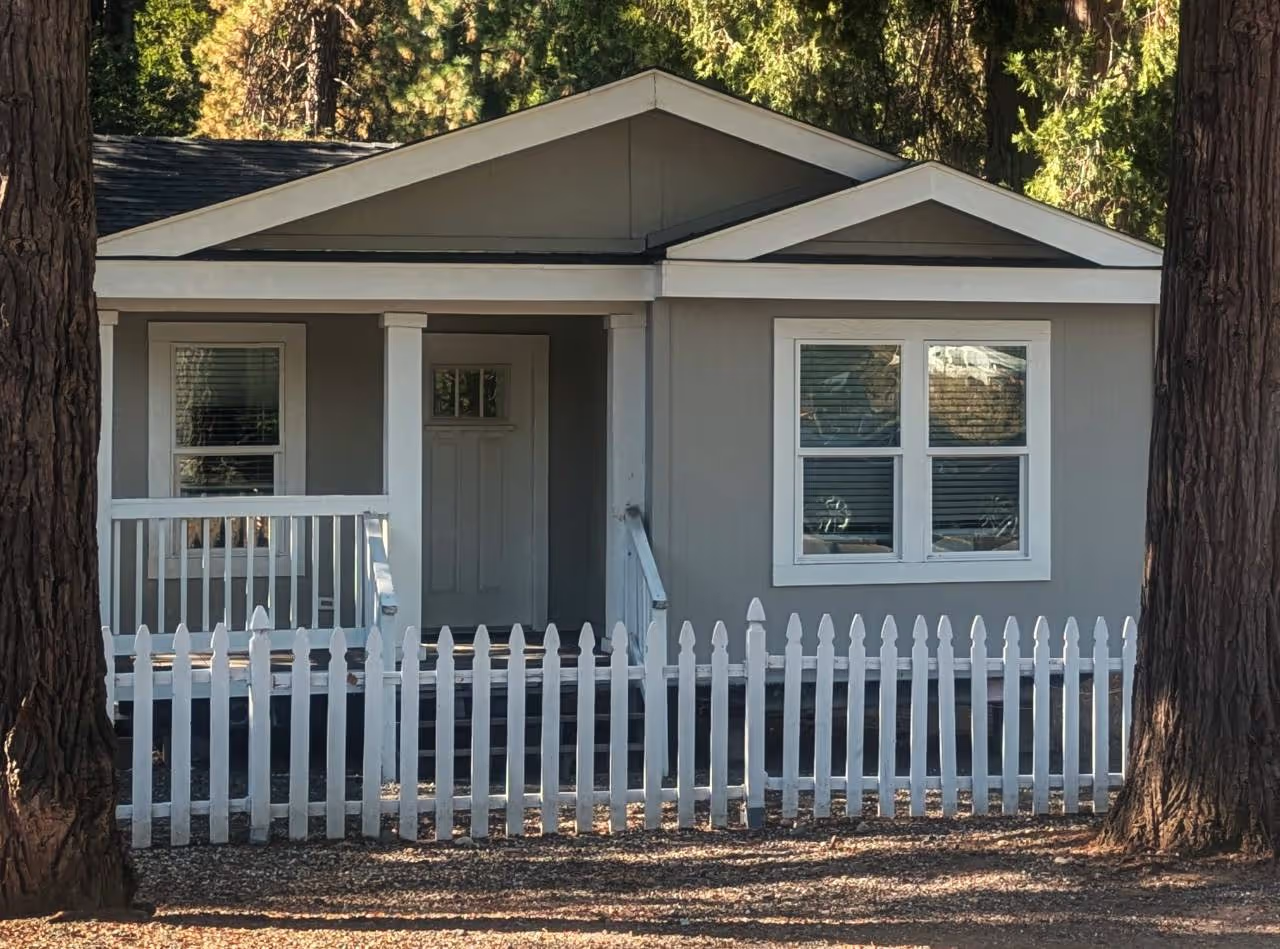
Here's the trade: for each ADU you deed-restrict to moderate-income tenants, you can build one additional ADU at market rate. In the Bay Area, moderate-income rent limits are still high enough to make this financially attractive. You're essentially getting permission to build more units in exchange for a rent cap that may not be far below market anyway.
This program is especially useful for investors with larger lots or multifamily properties who want to maximize unit count. The rules are specific, and not every property qualifies. We can help you figure out if this strategy makes sense for your situation.
Why a Price Lock Matters for Investors
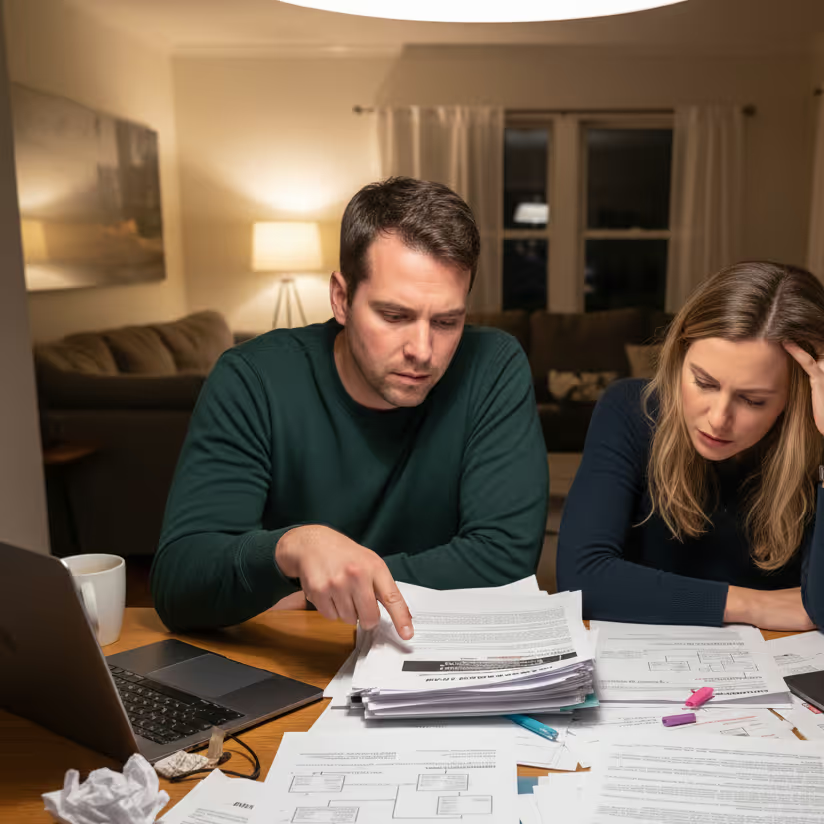
If you're financing the project, this uncertainty creates real problems. Your loan is based on projected costs. If the final number comes in higher, you're stuck covering the gap out of pocket or scrambling to adjust your plans.
We handle this differently. Once we complete your design and feasibility work, we lock your build price. That number holds through permitting and into construction. You can take it to your lender, model your returns, and move forward knowing the budget is set.
This isn't a marketing gimmick. It's how we align our incentives with yours. When we commit to a price, we're motivated to keep the project on track and on budget. You get certainty. We get accountability.
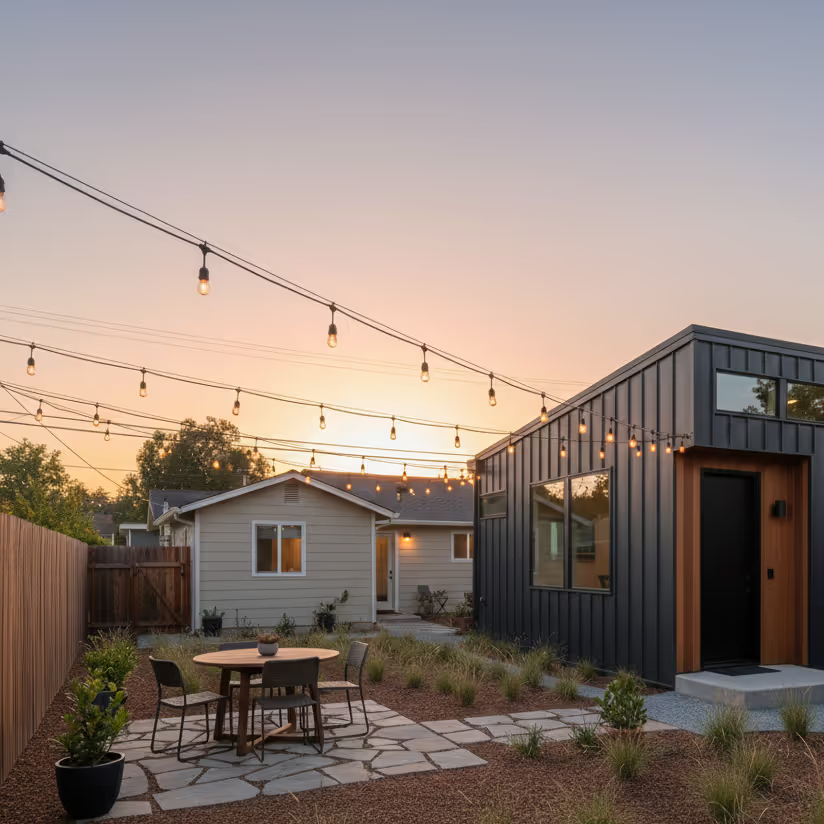
The actual number you can build depends on lot size, setbacks, and how the existing buildings are positioned. Some properties have room for the maximum. Others are more constrained. We can evaluate your multifamily property and tell you exactly how many units are feasible.
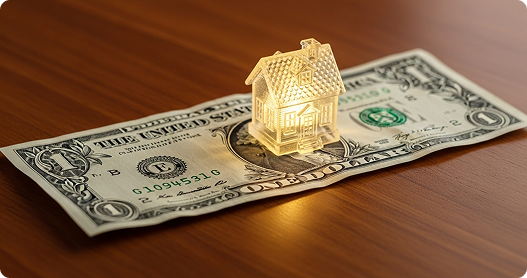
Fee structures vary by city. San Jose charges different amounts than Sunnyvale or Palo Alto. We include all applicable fees in our project estimates so your budget reflects the true cost, not just the construction number.
Designing Your ADU for Rental Income
Layout Matters
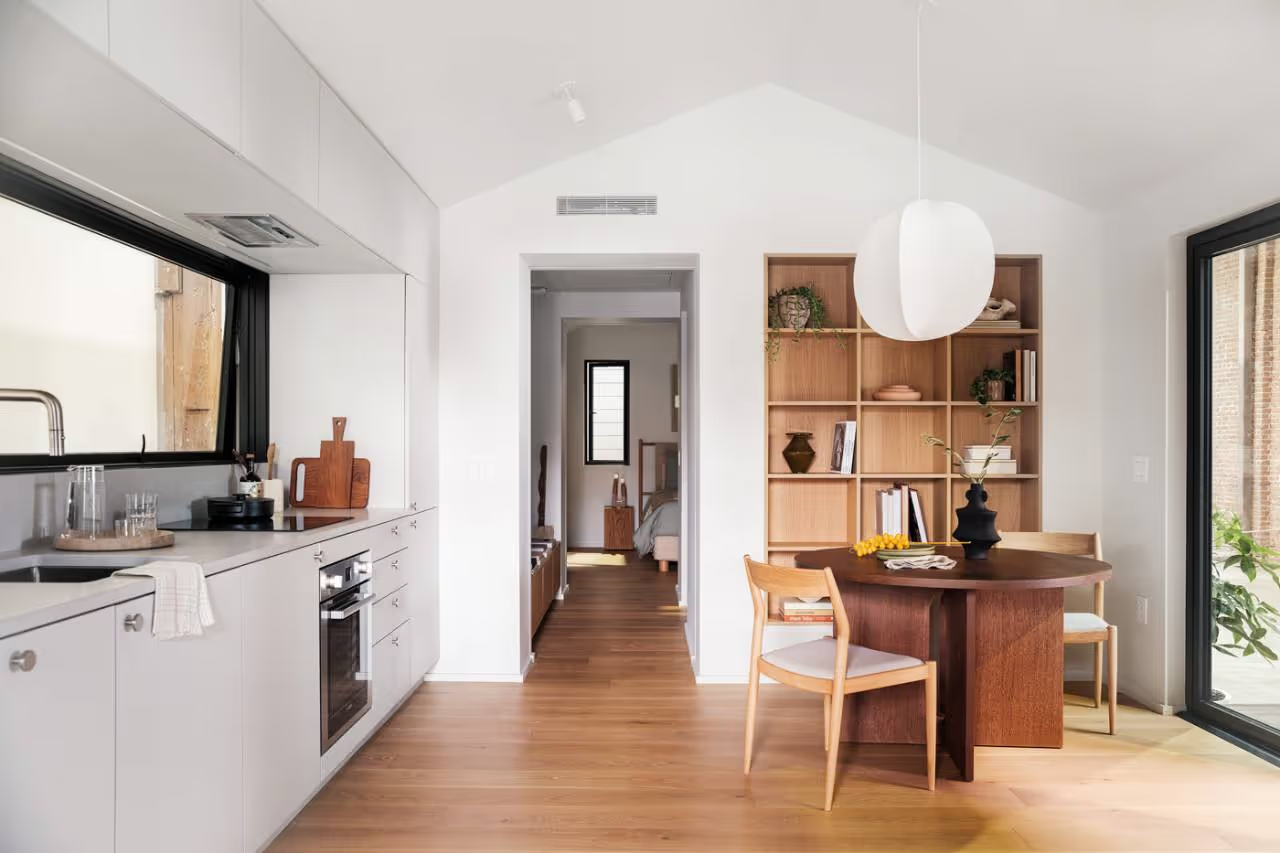
A true one-bedroom with a separate living area commands higher rent than an open studio of the same square footage. Closet space, kitchen counter area, and bathroom layout all influence tenant perception.
Finishes Affect Tenant Quality
Cheap finishes attract tenants who treat the unit accordingly. Durable, attractive materials cost more upfront but reduce turnover and maintenance costs over time. We've selected our standard package with this balance in mind.
Local Rental Rates
What you can charge depends on your neighborhood. A 600 square foot one-bedroom in Mountain View rents for more than the same unit in East San Jose. We can help you benchmark realistic rents for your location so your financial projections are grounded in actual market data.
SB9 vs ADU: Which Path Makes Sense?
Cost Differences
Lot splits require surveys, new parcel maps, separate utility connections, and often more extensive site work. The total development cost is typically higher than building an ADU on an undivided lot.
Permitting Complexity
SB9 projects involve both planning and subdivision review. The process takes longer and has more potential failure points. ADU permits follow a streamlined path with state-mandated timelines.
Return Profiles
SB9 can make sense for certain properties, especially larger lots where you want to sell one parcel separately. For most investors focused on rental income, ADUs offer a faster, simpler, and more predictable return.We can help you compare both options for your specific property and goals.
Owner Occupancy Rules for Investors
For any ADU permitted between January 1, 2020 and January 1, 2025, California law prohibits owner occupancy requirements. You can build an ADU, rent it out, and never live on the property yourself. Cities cannot retroactively impose occupancy rules on these units.
This opened ADU development to investors who don't want to be owner-occupants. You can treat the property purely as an investment, renting both the main house and the ADU.
JADUs Are Different
Junior ADUs still require owner occupancy. If you're building a JADU, either you or a family member must live in one of the units on the property. This makes JADUs less attractive for pure investment plays, though they can still work for house-hacking strategies.
Prefab vs. Stick-Built: Which Construction Method Works Better?
You'll hear a lot about prefab ADUs. They're marketed as faster and cheaper. Here's the reality.
What's the Difference?
Stick-built ADUs are constructed entirely on your property from the ground up. Every wall, roof, and finish is built on-site by a crew.
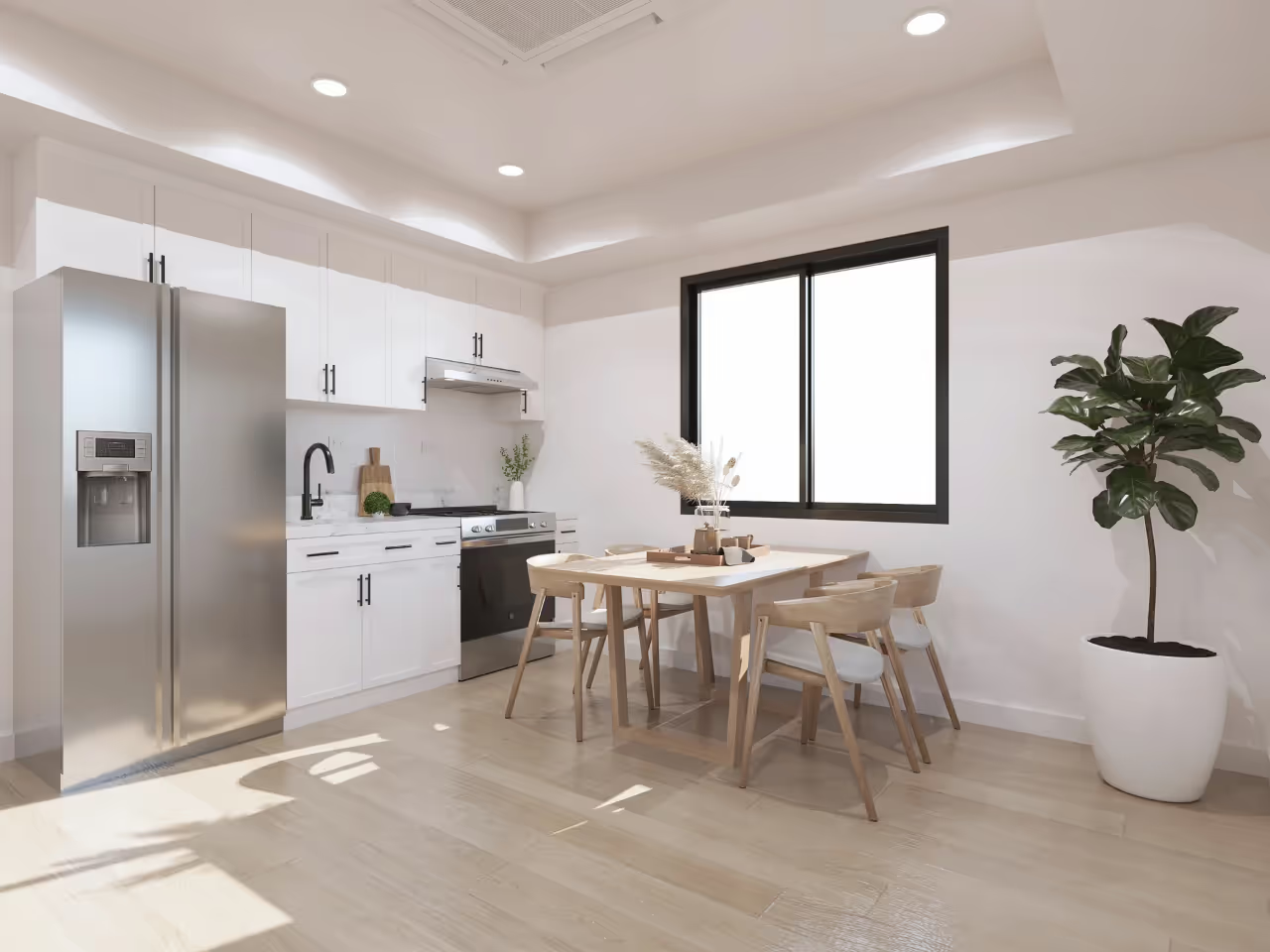
Prefab ADUs are manufactured in a factory and delivered to your property in sections or as a complete unit. They're assembled on a prepared foundation.
Where Prefab Works
Prefab can make sense on flat, easily accessible lots where the unit can be delivered by truck and crane. If your lot meets these conditions and you're happy with standard designs, prefab can reduce construction time by a few months.
Where Prefab Falls Short
Many Bay Area properties have slopes, narrow driveways, overhead wires, or other access constraints that make prefab delivery difficult or impossible. Prefab also limits your design options. You're choosing from a catalog, not customizing for your specific lot and goals.
Our Approach
We focus on stick-built construction because it works on more properties and gives us flexibility to optimize each project. We can adapt to challenging sites, maximize unit size within setbacks, and customize finishes for rental performance. For investors who want the best long-term returns, stick-built typically delivers.
Contact us
We'll review your property, put together a cost estimate, and walk you through what comes next. Consultations are always free with no obligation.
.svg)

.svg)
.svg)